Data Migration for SAP projects
Data migration is a critical process for companies seeking to modernize their information systems, such as the transition to the…
Data migration is a critical process for companies seeking to modernize their information systems, such as the transition to SAP S/4HANA.
This stage involves transferring essential data from legacy systems to new systems, ensuring that information is not only transferred but also optimized to support new functionalities and business processes.
Data migration is a fundamental stage in an SAP project.
Data migration is an important stage in SAP projects for several fundamental reasons that directly affect the success of the implementation and the ongoing operation of the system. Here are the main reasons:
- Data Integrity: Migration ensures that data is transferred accurately and intact from the legacy system to the new SAP system. Data integrity is vital to avoid operational problems and to ensure that transactions are processed correctly in the new environment.
- Business Continuity: Correctly migrated data ensures that business operations can continue without significant interruptions after the transition to the new system. This minimizes the risk of downtime, which can affect the company's productivity and profitability.
- Compliance and Reporting: Accurate and well-managed data is essential for complying with legal and tax regulations. In addition, data quality directly impacts the accuracy of managerial and operational reports, which are fundamental for strategic decision-making.
- Process Optimization: Migration to SAP is generally accompanied by the redefinition and optimization of business processes. Correctly migrated and structured data supports these new processes, improving operational efficiency and effectiveness.
- System Adoption: Well-organized and properly migrated master and transactional data increase user adoption of the system, as users find a familiar and efficient working environment. This reduces resistance to change and accelerates the project's return on investment (ROI).
- Foundation for Future Innovations: An SAP system with well-structured and well-managed data creates a solid platform for future innovations and integrations. With clean and organized data, the company can easily adopt new technologies and business practices, such as AI and advanced data analytics.
The differences between a version upgrade and an ERP replacement.
Migrating an ERP system to SAP and upgrading to a newer SAP version are two distinct processes, each with its own nuances and objectives.
Migration involves transferring data and processes from a legacy non-SAP ERP system to the SAP environment. This process is generally adopted by companies seeking to unify their fragmented systems, consolidate and standardize data, and take advantage of the advanced functionalities and best practices offered by SAP. It is a significant change that can transform business operations through an integrated and optimized platform.
On the other hand, an SAP upgrade occurs within the same technological environment, where a company updates from an older version to a newer SAP version, such as from SAP ECC to SAP S/4HANA. This process is driven by the need to access system improvements, such as greater operational efficiency, additional functionalities, and compatibility with new technologies. The upgrade is essential to keep the system up to date with the latest support offered by the vendor, ensuring system stability and security.
While migration is a complete transformation from one system environment to another, an upgrade is an update within the same environment to improve and expand its existing capabilities. Both strategies are fundamental to maintaining business relevance and competitiveness in the modern market, but they address different needs and digital transformation objectives.
Types of Data Involved in Migration.
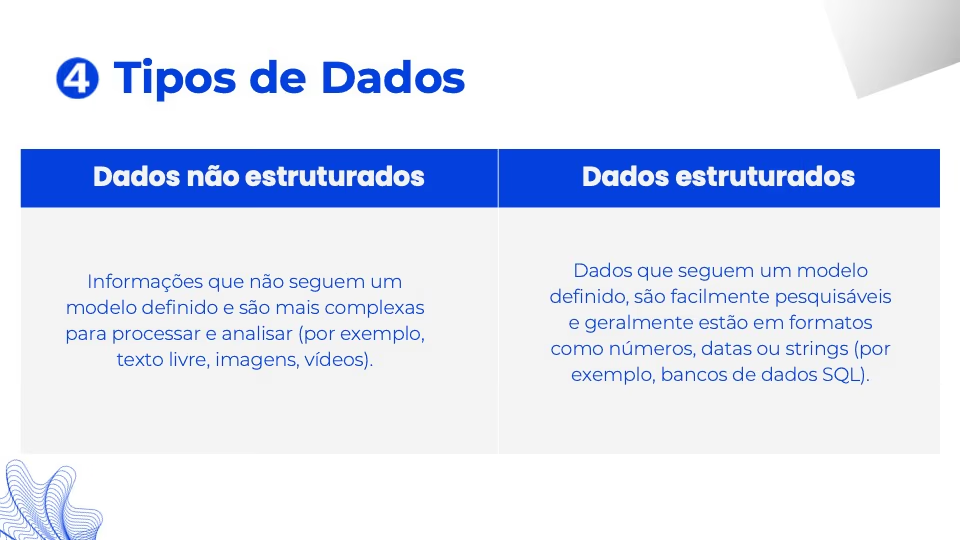
The data involved in migration can be categorized into unstructured data and structured data. Unstructured data includes formats such as free text, images and videos, which are complex to process and analyze. Structured data, on the other hand, follows a defined model, such as numbers, dates and strings, commonly found in SQL databases.
Each type requires specific approaches during migration to ensure its integrity and usefulness in the new system.
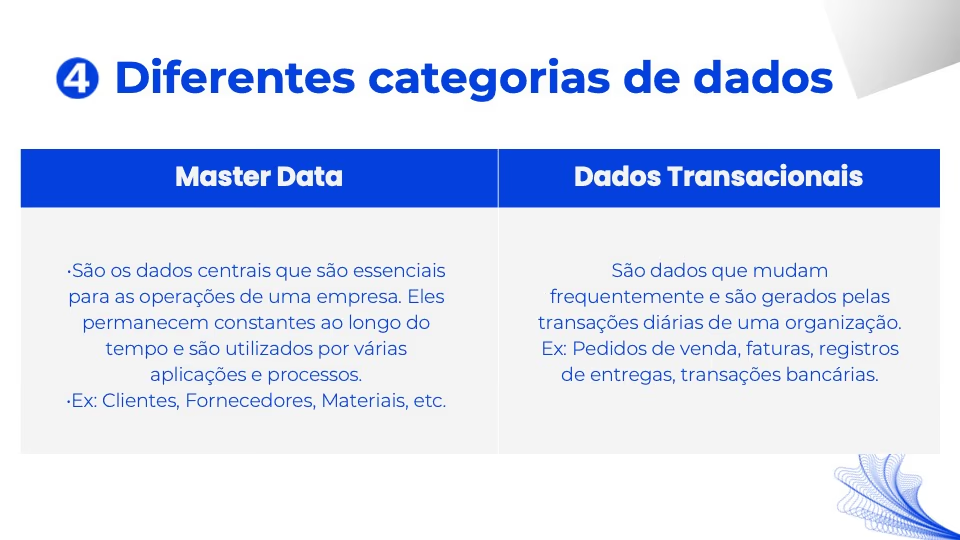
The differences between master data and transactional data.
Transactional Data
Transactional data refers to information that is constantly generated and modified due to an organization's daily transactions. It is dynamic and generally related to specific events or transactions. For example:
-
-
- Sales Orders: Records of all sales made, including customer details, products sold, prices and dates.
- Invoices: Documents that confirm the sale of products or services, including information about the buyer, the seller and the payment terms.
- Delivery Records: Details about the shipment of products to customers, including delivery dates, addresses and shipment status.
- Bank Transactions: Information about financial movements, such as transfers, deposits and withdrawals made by a company.
-
This data is essential for daily operations and for short-term financial and operational analyses, reflecting the company's current activity.
Master Data
Master data, on the other hand, consists of datasets that are crucial to an organization's operations and remain consistent over time. It does not change frequently and is used by various applications and processes across the company. Examples include:
-
-
- Customers: Fundamental information about customers, such as name, address, contacts, market segmentation and interaction history.
- Vendors: Data about a company's vendors, including qualifications, contract terms, contacts and transaction history.
- Materials: Data about products and raw materials, such as descriptions, specifications, units of measure and categories.
- Employees: Information about a company's employees, including name, role, department, contact details and employment history.
-
Master data is the backbone of enterprise information systems, providing a common reference point for all transactions and analyses within the organization.
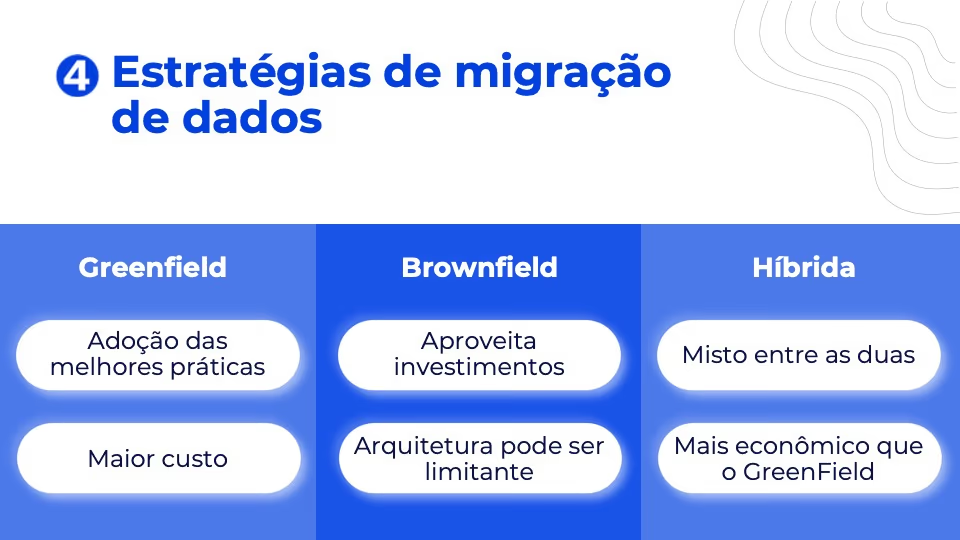
Data Migration Strategies
There are several migration strategies that companies can adopt, depending on their needs and existing resources:
- Greenfield: A completely new implementation that adopts best practices, but at a higher cost.
- Brownfield: Leveraging previous investments, with architectural limitations.
- Hybrid: A combination of the two previous strategies, being more cost-effective than Greenfield.
Choosing the right strategy is fundamental to aligning data migration with the company's business objectives.
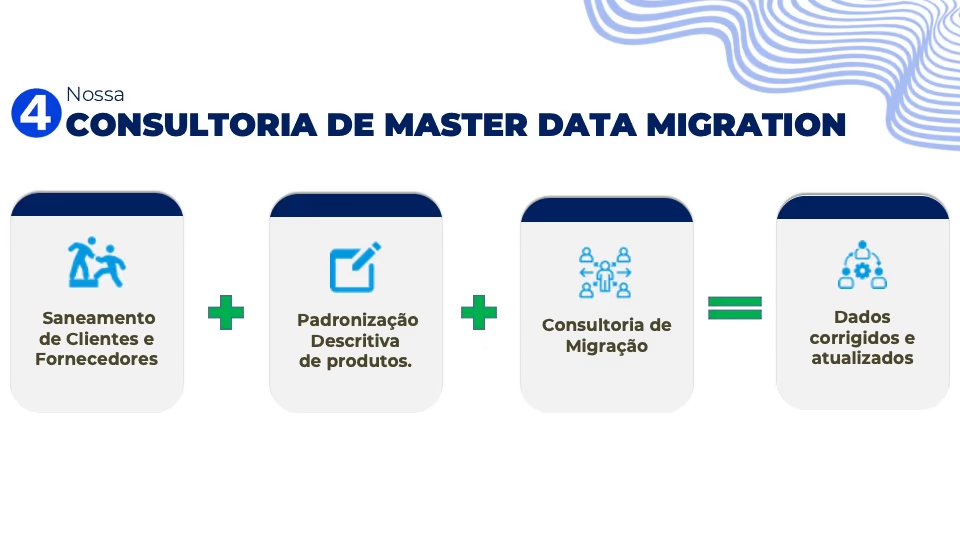
Master Data Migration Objects.
Master data migration to SAP, especially to SAP S/4HANA, is a critical process that involves transferring essential information from a legacy system to the new SAP system. Within this context, "migration objects" are essentially templates or models that define how data should be transferred and transformed during migration.
They specify the format, structure and rules required to import data in a way that is compatible with the new SAP S/4HANA environment.
Migration objects are fundamental because they facilitate the standardization of the migration process, reducing errors and ensuring that data integrates effectively into the new system. They play an important role in simplifying the complexity of migration, allowing data to be mapped correctly and efficiently from the old system to the new one.
These migration objects are used via specific tools such as SAP Data Services or the SAP Migration Cockpit, which help automate and validate the migration process, ensuring that data is loaded correctly into the new system.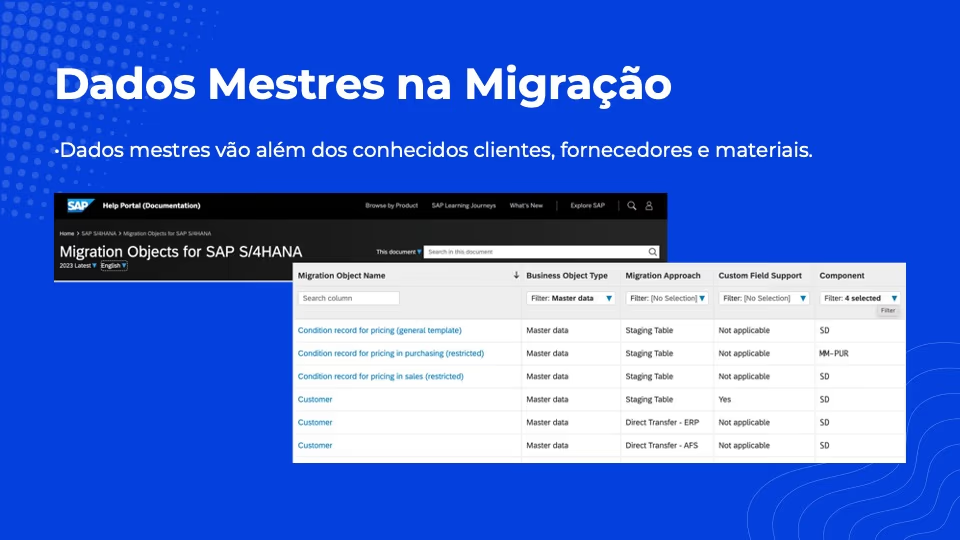
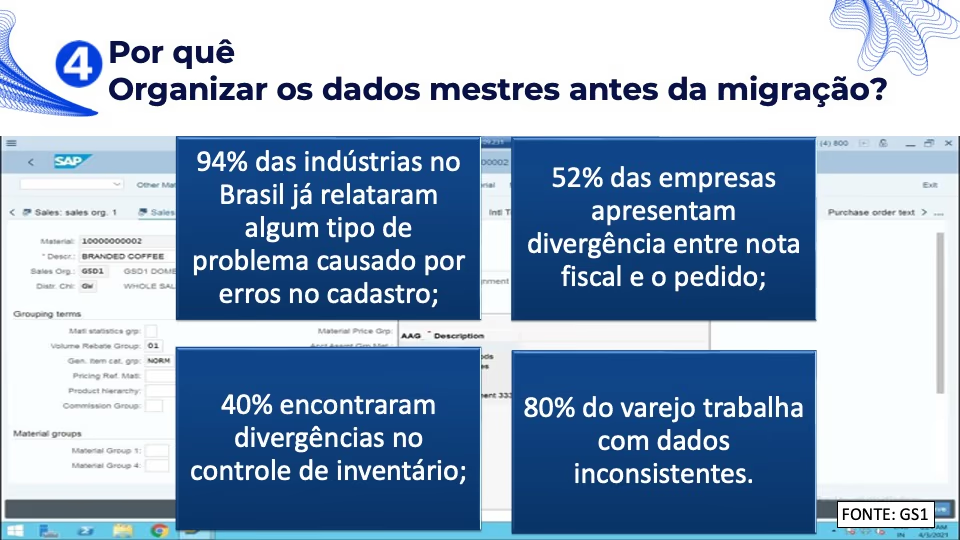
Why should we organize master data before migration?
Organizing master data before migrating to systems such as SAP S/4HANA is essential because it ensures the integrity, accuracy and usefulness of the data in the new operating environment.
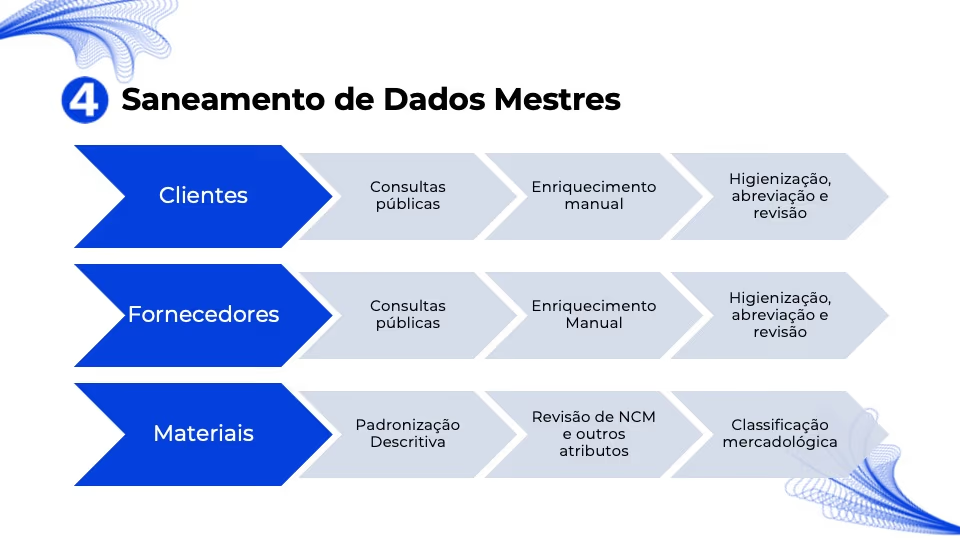
This preparation involves cleansing, standardizing and validating the data to remove duplicates, correct errors and inconsistencies, and ensure compliance with the new structures and formats of the target system.
By organizing master data in advance, companies minimize the risks of post-migration operational problems, such as business process disruptions and decision-making failures, thereby optimizing the return on investment in new technology platforms.
Sequences for master data migration
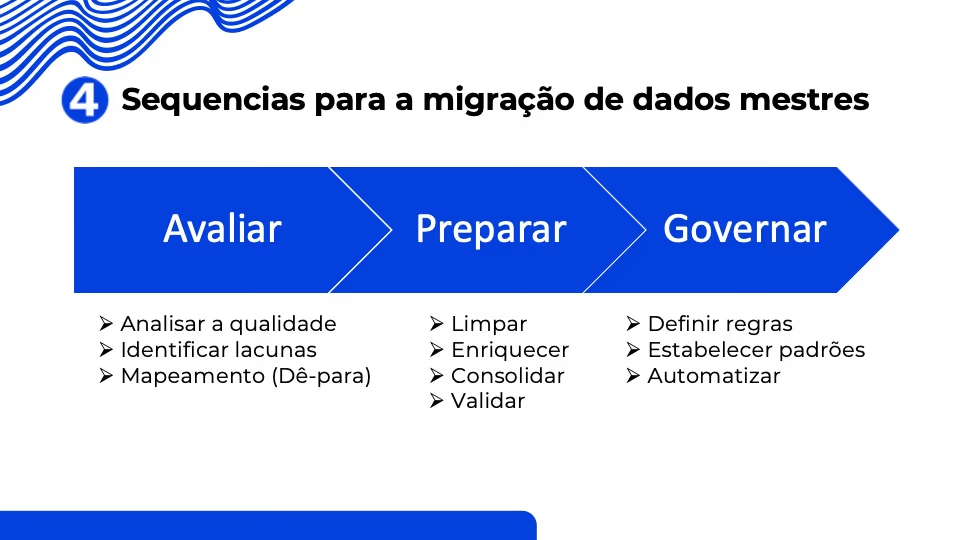
Master data migration to SAP environments follows a structured sequence to ensure the integrity and usefulness of the data in the new system. Initially, an assessment of the quality of existing data takes place to identify any inconsistencies or gaps.
This phase is important for understanding the extent of the work required in data preparation. Next, the preparation stage involves data cleansing and enrichment, where outdated or incorrect information is corrected, and the data is standardized according to the requirements of the new SAP system.
Finally, the governance phase establishes ongoing management standards and rules to maintain data quality after the migration. This process not only facilitates the transition to SAP but also supports future operations with a reliable and well-structured database.
Common Challenges and Solutions in Data Migration
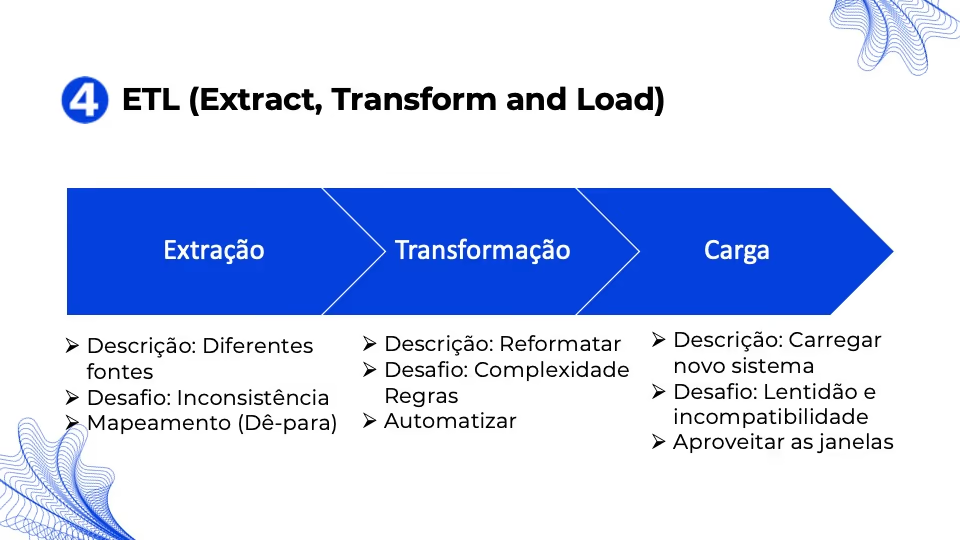
Data migration faces several challenges, including data inconsistencies and integration complexity. ETL (Extract, Transform, Load) tools such as SAP Data Services, Talend Open Studio, Pentaho Data Integration and 4MDG are essential for automating the migration process, from data extraction to loading into the new system.
In addition, solutions such as SAP LTMC offer additional functionalities to handle formatting errors and customize the migration process.
The Importance of Data Cleansing and Standardization
Before migration, it is crucial to carry out data analysis, cleansing and standardization. This process involves verifying data accuracy, correcting errors, and ensuring that all records are complete and up to date.
Product standardization and data review ensure that the information in the new system is consistent and reliable.
What does a master data migration consultancy do?
Master data migration is a complex journey that requires careful planning and the implementation of best practices. Having specialized support can significantly reduce risks and accelerate the migration process. If your company is planning a data migration, consider seeking specialized consulting to ensure your master data is migrated successfully and that your new system is ready to meet business needs.
How 4MDG Helps in the Process
4MDG is a company specialized in Master Data Management (MDM) and offers a range of innovative services and solutions that facilitate the migration of master data to SAP environments:
- Software Solutions: 4MDG develops and implements platforms such as the “Registration Platform”, which automate and simplify the migration process. These platforms are designed to handle real-time data cleansing, standardization of product descriptions, and much more.
- Specialized Consulting: 4MDG provides MDM expertise, working directly with clients to plan and execute the migration. This includes configuring data conversion rules, defining quality standards, and providing guidance on MDM best practices.
- Integration and Customization: 4MDG tailors its solutions to the specific needs of each company, ensuring that the migration meets each client's unique requirements and that the data is ready to be used in the new system.
- Ongoing Advisory: After the migration, 4MDG continues to provide support to ensure that the migrated data is maintained at high quality and that the system continues to meet the needs of the business.
4MDG's approach to master data migration is comprehensive and customized, focusing not only on the technical transfer of data, but also on optimizing business processes and ensuring a solid, reliable database for future decisions.